March 19, 2026
The global metal fabrication industry holds a pivotal role in underpinning modern industrial practices and has experienced tremendous growth over the years. As technological advancements continue to emerge, the industry adapts and evolves, spurring further economic development across various sectors. Whether transforming raw materials into essential components or constructing complex structures, metal fabrication is an integral process that supports infrastructure, manufacturing, and consumer goods. With burgeoning demand and an increasing reliance on sustainable practices, the local metal fabrication service industry is set to continue its prosperous trajectory, impacting every facet of our daily lives. This ongoing expansion highlights the growing importance of skilled fabrication services in supporting modern industry and innovation.
Recognize the Importance of Fabrication
Metal fabrication is the backbone of numerous industries, ranging from construction and automotive to aerospace and electronics. This process involves cutting, bending, and assembling metal to create structures and products essential for various applications. The importance of metal fabrication lies in its ability to produce durable and reliable components that meet specific industrial requirements. As the foundation for manufacturing and infrastructure, metal fabrication enables the production of everything from bridges and buildings to machinery and vehicles, ensuring that modern society can function smoothly and efficiently.
Beyond its apparent necessity, metal fabrication is a significant contributor to economic growth and development. The industry provides millions of jobs worldwide, supporting skilled and semi-skilled workers engaged in welding, machining, and assembly operations. According to Fortis, an educational resource, the global welding market is projected to grow to nearly $34.2 billion by 2030, reflecting the continued demand for skilled labor in metal fabrication. This ever-growing market highlights the essential role of metal fabrication in facilitating economic prosperity and technological advancement.
In addition to its economic contributions, metal fabrication is crucial for technological innovation and progress. Advancements in material sciences and fabrication techniques have led to the development of lighter, stronger, and more versatile metals. These innovations enable manufacturers to produce more efficient and sustainable products, reducing energy consumption and environmental impact. By fostering innovation and facilitating the creation of advanced technologies, metal fabrication propels entire industries forward, ensuring their competitiveness in the global market.
Learn the Key Metal Fabrication Techniques
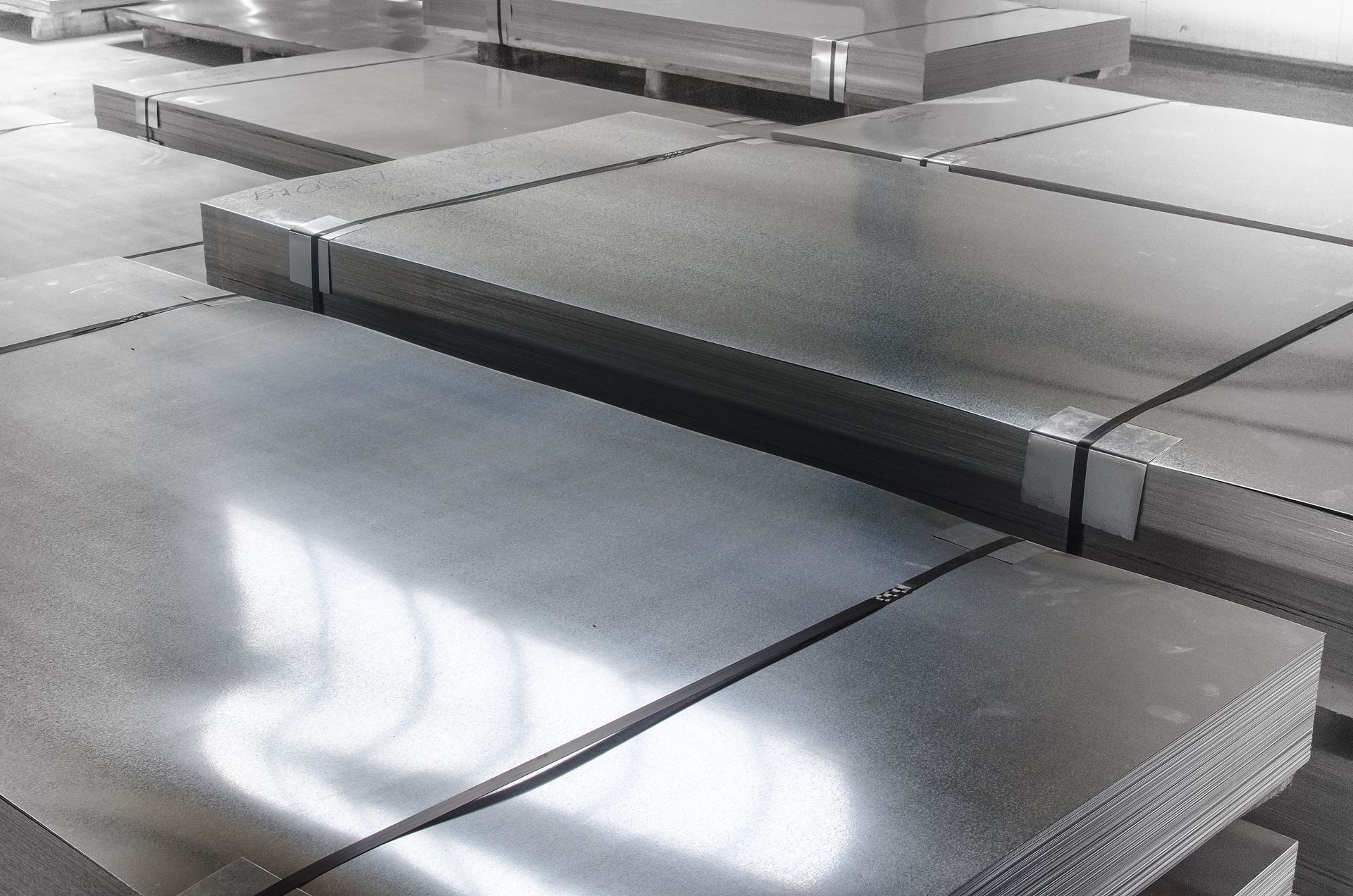
Metal fabrication employs a variety of techniques, each crucial to transforming raw materials into finished products. One of the most fundamental techniques is cutting, which involves dividing metal sheets or bars into desired shapes and sizes via methods such as shearing, sawing, or laser cutting. This process is essential for creating components with high precision, paving the way for further fabrication processes. As cutting technology continues to advance, it supports the production of increasingly intricate and accurate parts, enhancing overall product quality.
Bending is another critical technique in metal fabrication, used to shape metals into specific angles or curves without cutting or splicing. This process requires high precision and skill, as improper bending can compromise structural integrity and lead to costly errors. Techniques such as press brake bending and roll bending are commonly employed, allowing fabricators to create complex forms that meet diverse industrial needs. The ability to efficiently bend metals into various shapes is vital for industries such as automotive and aerospace, where aerodynamics and structural performance are paramount.
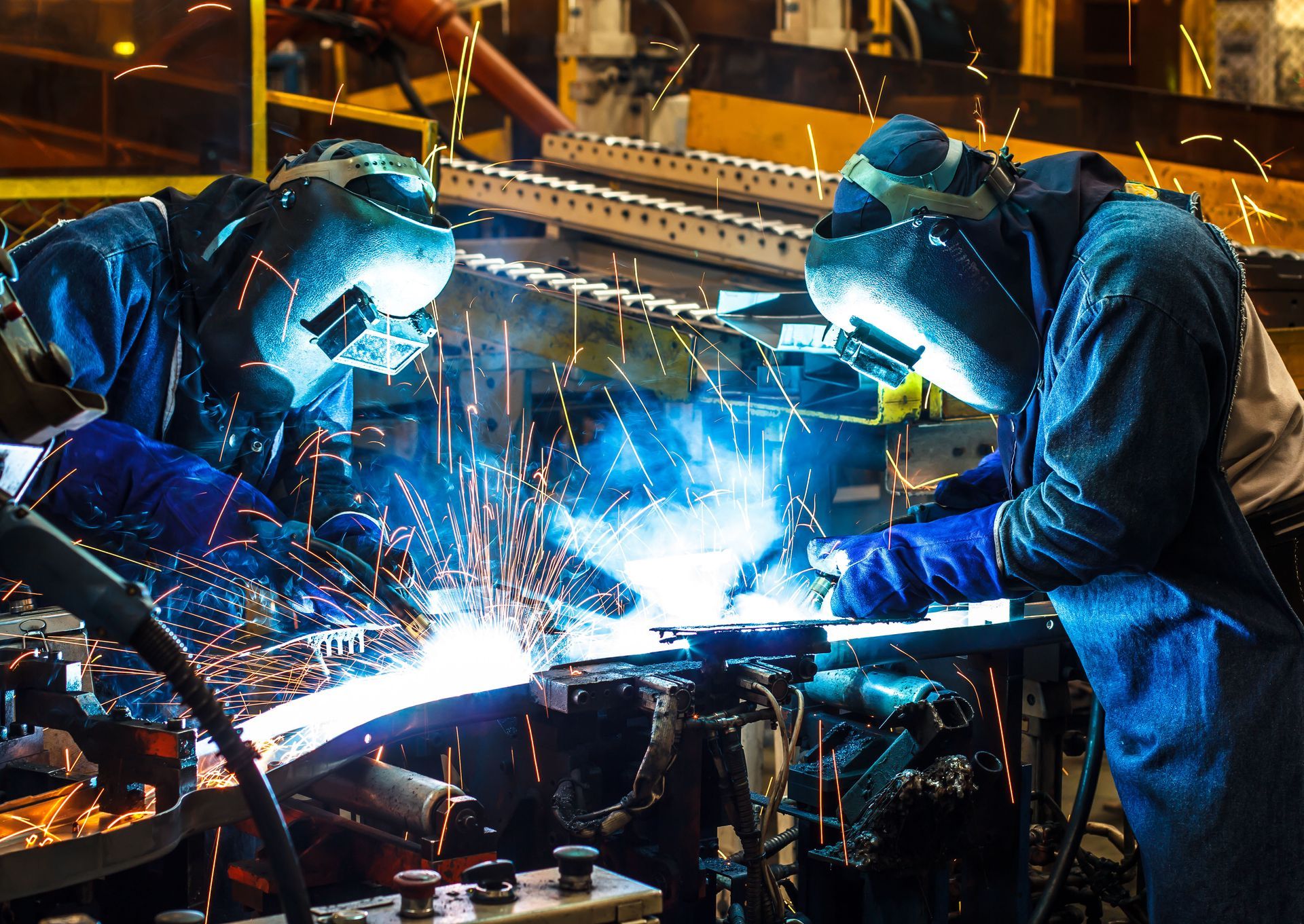
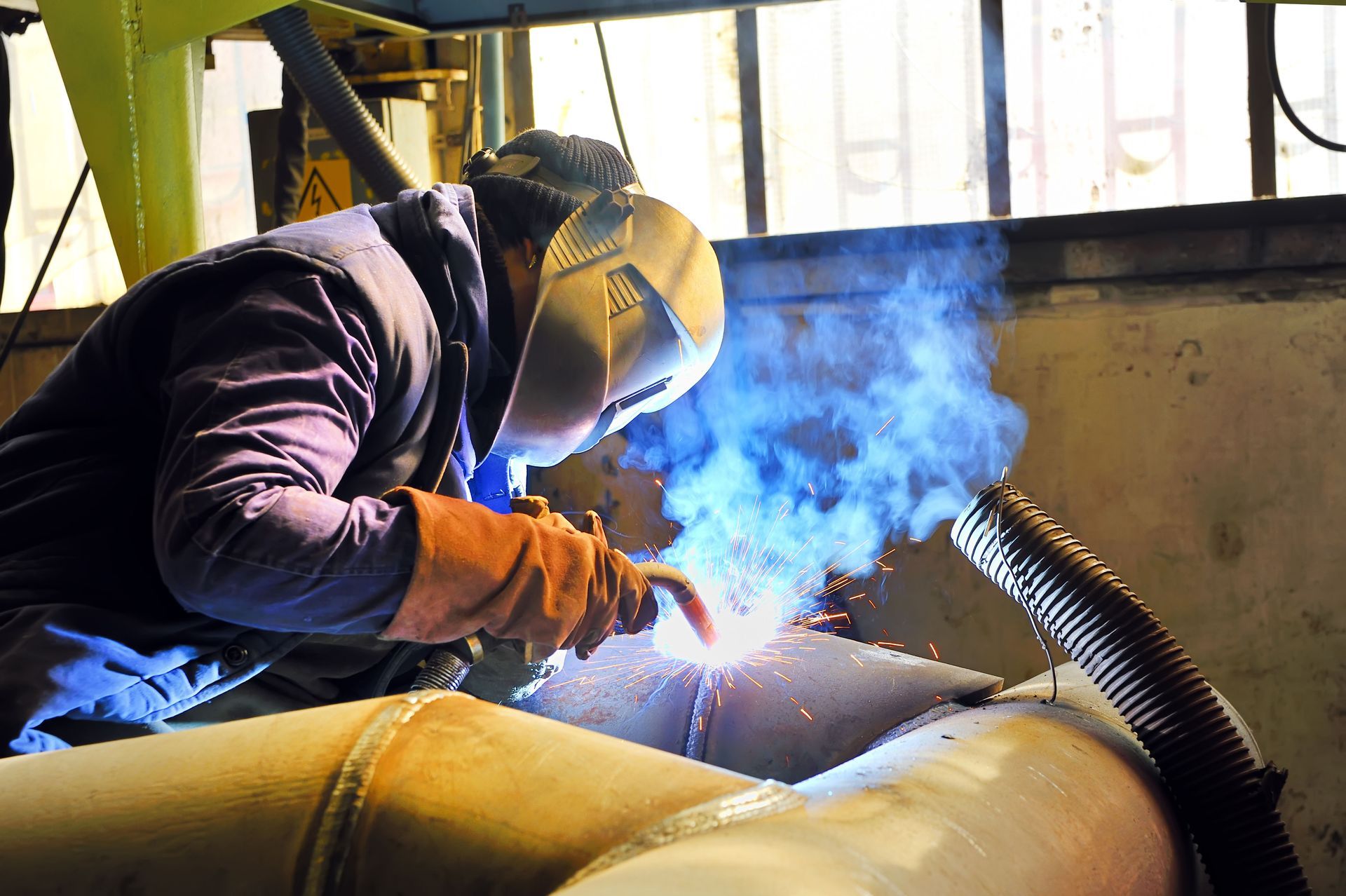
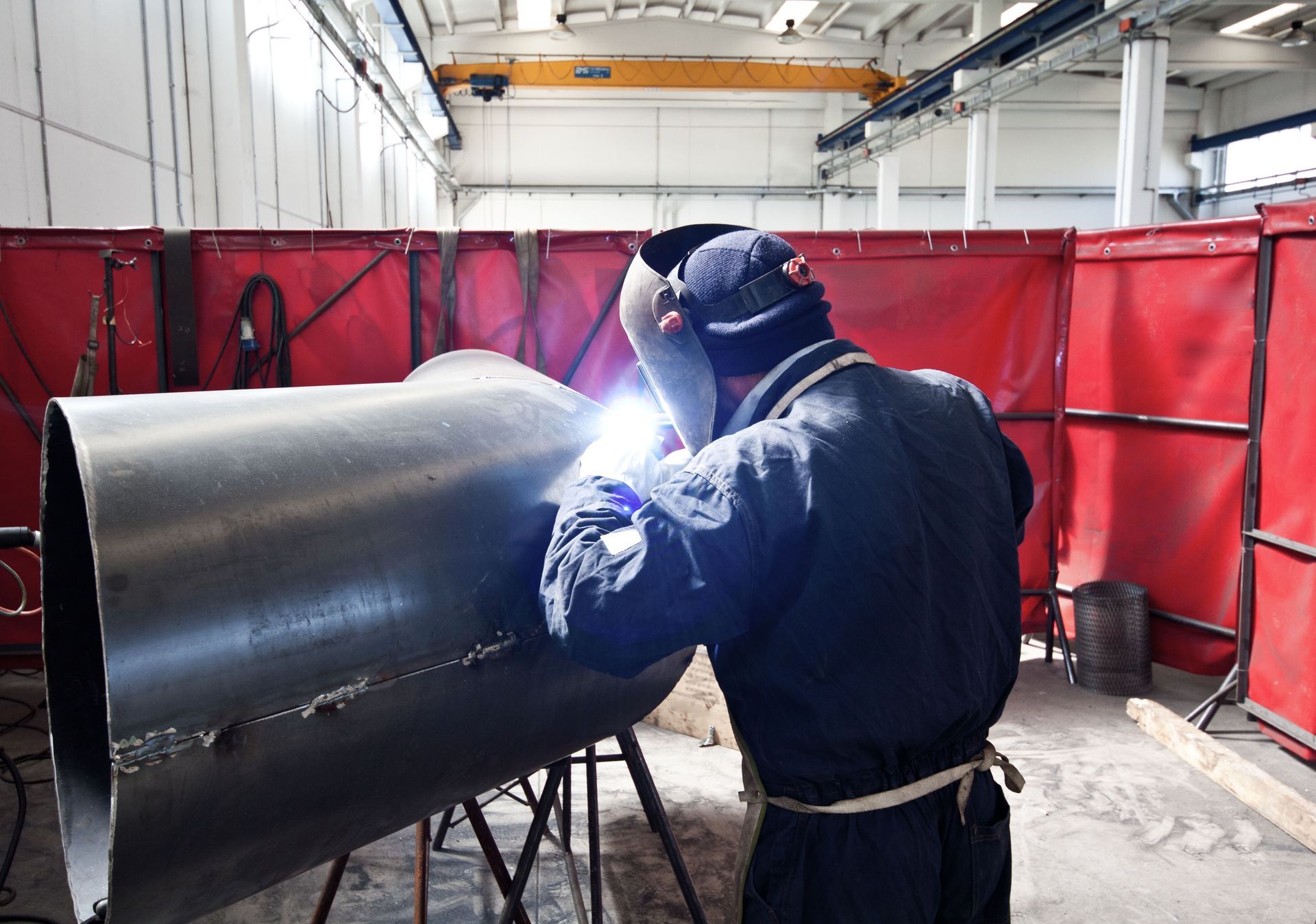
Assembly processes, which include welding, fastening, and riveting, are integral to combining individual components into complete, functional products. Welding, in particular, plays a vital role in ensuring the integrity and durability of fabricated structures by fusing metal pieces under high heat. With the global welding market projected to grow substantially, advancements in welding technology have become increasingly significant. These include automated welding systems and the development of new welding techniques that enhance efficiency and precision, further driving the metal fabrication industry's success.
Support Growth With Local Fabrication
Local metal fabrication services are instrumental in fostering regional economic development by providing essential infrastructure and supporting manufacturing industries. These services offer tailored solutions that meet the specific needs of local businesses, contributing to supply chain efficiency and cost-effectiveness. By reducing reliance on imported goods and services, local fabrication companies boost economic resilience and sustainability. As a result, regions with robust metal fabrication capabilities tend to experience higher levels of industrial growth and job creation, enhancing overall economic prosperity.
Furthermore, local metal fabrication services are often at the forefront of innovation, developing customized solutions that address unique challenges within their communities. These companies invest in research and development to create new products and processes that enhance efficiency and competitiveness. By fostering a culture of innovation and collaboration, local fabrication services contribute to the overall dynamism and adaptability of the regional economy. Their ability to respond quickly to market demands and technological changes ensures that local industries remain viable and competitive on a global scale.
The presence of thriving local metal fabrication services also encourages entrepreneurship and small business development. As these companies expand and diversify their offerings, they create additional opportunities for suppliers and service providers within the community. This network of interconnected businesses supports regional economic growth by providing jobs, training, and resources for aspiring entrepreneurs. By creating a vibrant ecosystem of innovation and collaboration, local metal fabrication services are key drivers of long-term economic development and sustainability.
Adopt Sustainable Fabrication Practices
While metal fabrication is a critical component of industrial progress, it is essential to recognize and address its environmental impact. The production processes involved in metal fabrication can contribute to greenhouse gas emissions, resource depletion, and pollution if not managed responsibly. As industries grow, so does the need for sustainable practices that minimize the environmental footprint of metal fabrication. Adopting green technologies and materials, such as using recycled metals and energy-efficient machinery, can significantly reduce environmental impact and promote sustainability within the industry.
Advancements in local metal fabrication service technologies have provided opportunities to reduce waste and resource consumption through more efficient production processes. Techniques such as laser cutting and computer-aided design optimize material usage, reducing scrap and excess raw material reliance. These efficiency improvements help reduce the environmental stress associated with fabrication operations. By integrating sustainable practices and technologies, the metal fabrication industry can mitigate its impact on the planet while continuing to meet industrial demand.
Furthermore, as consumer awareness and regulatory pressures increase, metal fabrication companies are incentivized to adopt more environmentally friendly practices. These changes can include investing in pollution control technologies, implementing recycling programs, and sourcing sustainably produced materials. By aligning their operations with sustainable principles, metal fabrication companies can not only reduce their environmental impact but also enhance their brand reputation and competitiveness in an eco-conscious market. The industry's commitment to environmental responsibility will be crucial in securing its future growth and acceptance in a world increasingly concerned with sustainability.
The metal fabrication industry remains a driving force behind modern industry due to its diverse applications and technological advancements. Its economic contributions, supported by the anticipated growth of the global welding market, reflect its significance in global markets. As local metal fabrication services propel regional economic growth, the industry simultaneously addresses environmental challenges by adopting sustainable practices. The metal fabrication sector's ability to adapt and innovate ensures its continued prosperity and relevance. Looking to the future, the industry is poised for further growth and will likely continue to be a cornerstone of modern industrial society. Reach out to Ford Fabricating to learn more about our services today.