February 18, 2026
The art and science of metal fabrication encompasses a broad spectrum of processes and techniques aimed at transforming raw materials into functional designs. This article explores the meticulous journey of how expert metal fabricators turn your design ideas into reality, detailing every step from initial conception to final product delivery.
Understanding Metal Fabrication Basics
The History of Metal Fabrication
The process of metal fabrication has been an integral part of human development since ancient times. Early human civilizations utilized basic techniques for creating tools and weapons essential for survival. As societies advanced, so too did the methods of metalworking, becoming more complex and diverse. With the Industrial Revolution, metal fabrication entered a new era of mass production and increased precision. Today, it continues to evolve, incorporating modern technologies to enhance efficiency and capabilities. According to First Research, the metal fabrication market is projected to grow significantly, with some estimates predicting a value of $7.257 billion by 2025, driven by these advancements in automation and technology.
Key Materials Used in Metal Fabrication
The choice of materials metal fabricators use is critical as it affects the strength, durability, and functionality of the final product. Common materials include steel, aluminum, stainless steel, brass, and copper, each offering unique properties. Steel remains a popular choice due to its affordability and strength, while aluminum is favored for its lightweight and corrosion resistance. The properties of these metals are harnessed through various fabrication processes to meet specific design and performance needs. Advanced materials such as titanium and carbon fiber are also used in applications requiring high strength-to-weight ratios.
Common Techniques and Methods
Metal fabrication relies on several core techniques, including cutting, bending, and assembling, to create finished products. Cutting processes have evolved from manual methods to include advanced techniques such as laser and plasma cutting. Bending and forming transform flat sheets into the desired three-dimensional shapes, while precision joining methods ensure durable and reliable connections. These processes require skilled operators and state-of-the-art equipment to achieve the high precision demanded by modern designs. Continuous innovation in fabrication techniques broadens the scope and potential of what can be created with metal.
The Importance of Precision and Accuracy
For metal fabricators, precision and accuracy are paramount to ensuring that components fit together perfectly and function as intended. Deviations in measurement can lead to production setbacks and compromised product integrity. Meticulous attention to detail throughout each stage of manufacturing mitigates errors and enhances performance. Technological advancements, such as sophisticated measurement tools and software, support fabricators in achieving exacting standards. The demand for precise fabrication will continue to rise alongside advances in technology and design complexity.
The Design Phase: From Concept to Blueprint
Understanding Client Needs and Vision
The design process begins with gaining a comprehensive understanding of the client's goals and requirements. Clear communication is vital to capture the essence of what the client envisions for the end product. By asking the right questions and discussing potential design approaches, fabricators can ensure alignment with the client's expectations. This collaborative exploration lays the foundation for the subsequent design and fabrication stages. A thorough understanding of the client's vision helps guide decision-making and ensures the end product meets intended purposes.
Conceptual Sketching and Drafting
Once the client's vision is clarified, the next step involves conceptual sketching and drafting. These initial sketches capture the essence of the design, serving as a visual aid for later stages. The transition from rough sketches to detailed drafts involves refining ideas and addressing technical considerations. Designers utilize both hand-drawn sketches and digital tools to create comprehensive representations of the envisioned product. This stage allows for creative exploration and an opportunity to assess the feasibility of design features.
Technical Specifications and Prototyping
Technical specifications provide the detailed instructions needed to fabricate a product that aligns with design intentions. This stage involves outlining dimensions, materials, and production techniques to ensure each component meets defined criteria. Prototyping allows metal fabricators to create a tangible representation of the design, uncovering any issues before mass production. Testing prototypes provides valuable insights into functionality and performance, allowing for adjustments to be made. This iteration process ensures that the final product is optimized for quality and efficiency.
The Material Selection Process
Analyzing Material Properties and Suitability
Selecting the right material is a critical decision, influenced by factors such as the intended use, environment, and budget. Analysis of material properties, including strength, elasticity, fatigue resistance, and thermal conductivity, guides selection. Each material presents benefits and trade-offs, making its suitability highly context-dependent. Advanced simulation tools aid in predicting how materials will perform under varying conditions. Proper material analysis lays the groundwork for selecting materials that fulfill all functional requirements.
Balancing Aesthetics and Functionality
Achieving a balance between aesthetics and functionality is a primary consideration in material selection. A product that performs well but lacks visual appeal may not meet client expectations. Conversely, visually stunning designs must still deliver the necessary structural and functional support. Selecting materials that complement the design while meeting technical requirements is essential. This balance ensures that the end product is both appealing and practical for its intended application.
Environmental Impact and Sustainability
Given global emphasis on sustainability, the environmental impact of material choices is increasingly scrutinized. Sustainable materials contribute to reducing the carbon footprint and conserving resources. The process of recycling materials and the production processes further involved are considered when assessing environmental impact. Incorporating sustainable practices into the selection process aligns fabrication projects with eco-friendly objectives. This commitment to sustainability benefits not only the environment but also the client's brand and public image.
Fabrication Techniques and Processes
Casting, Welding, and Joining Methods
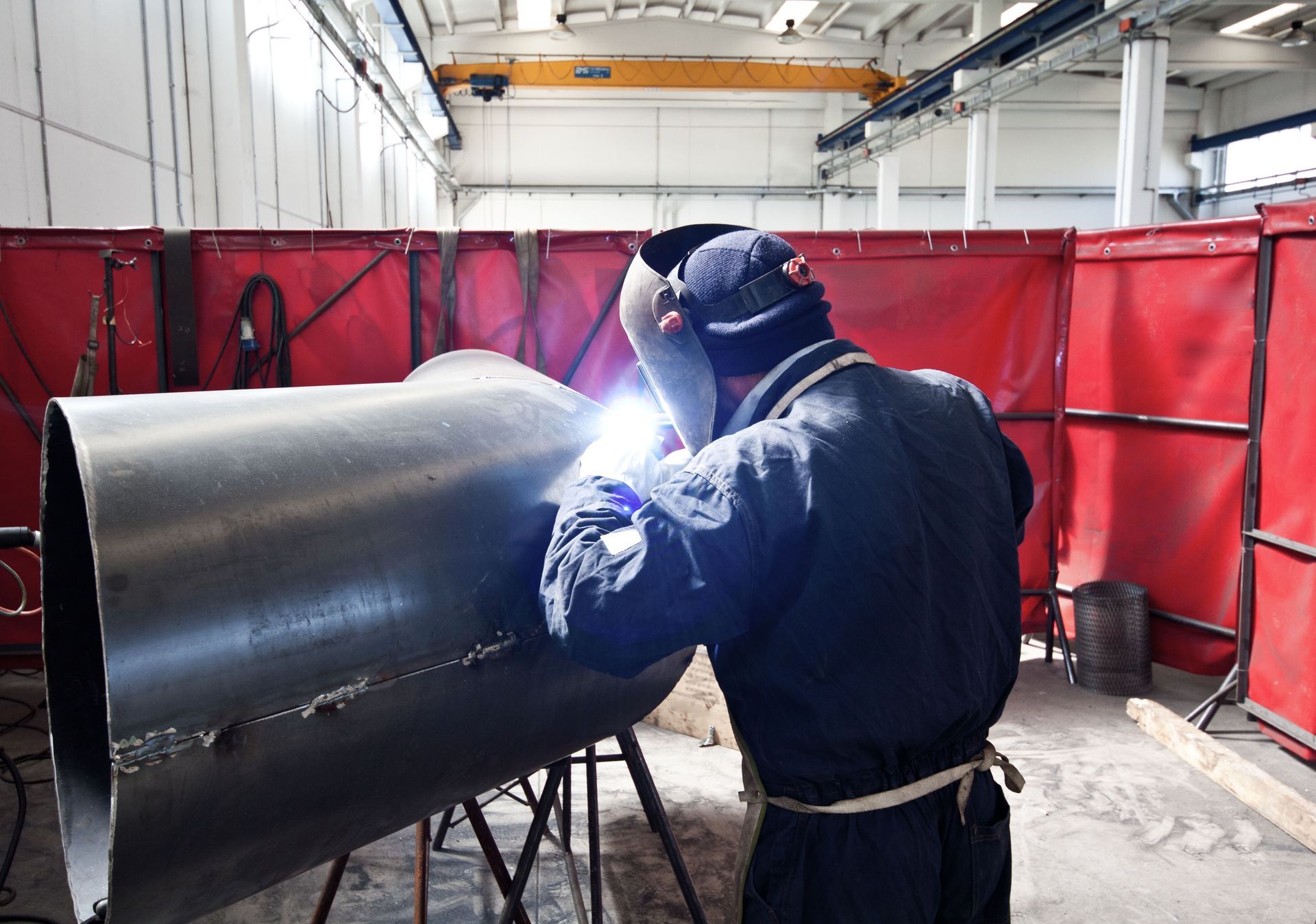
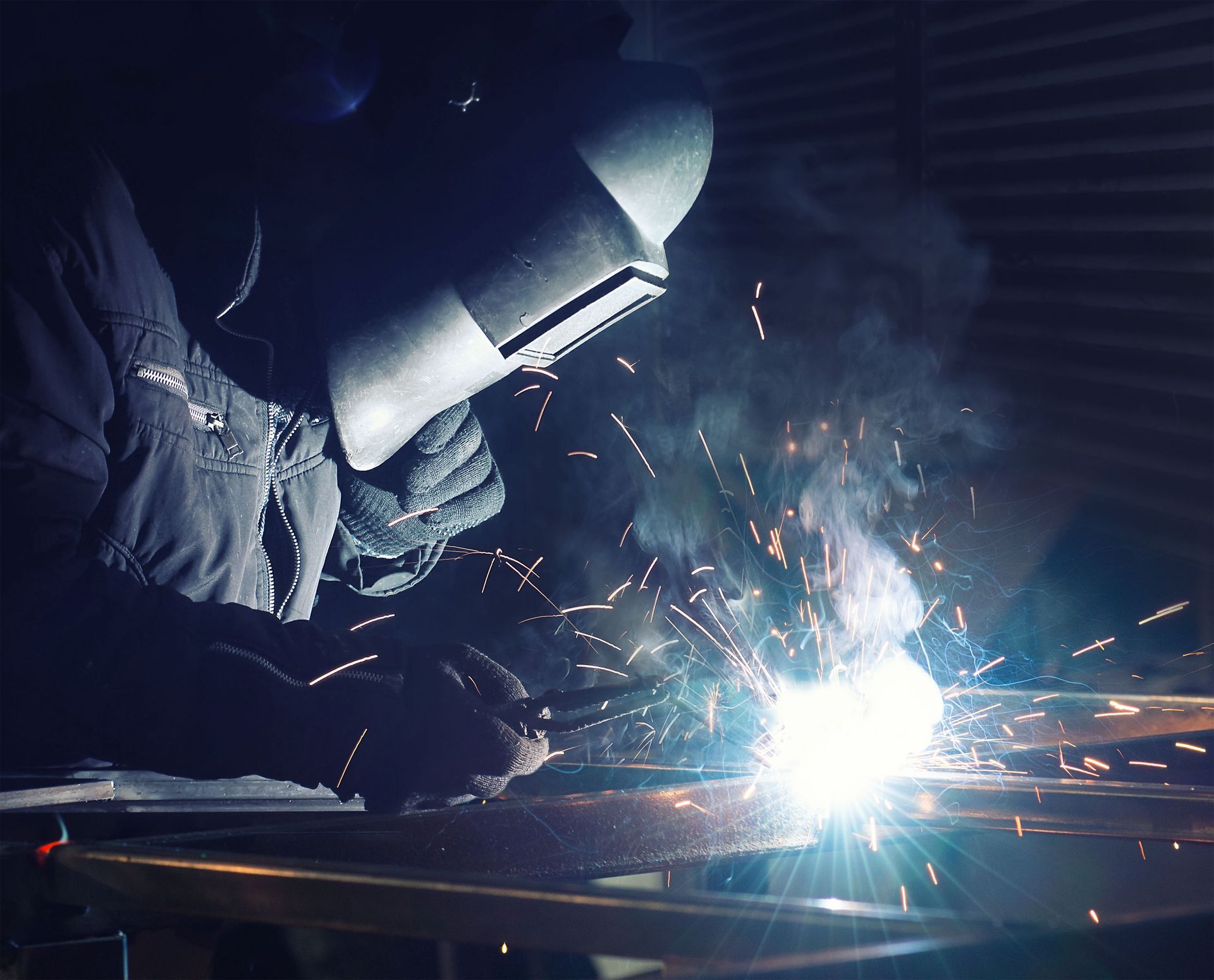
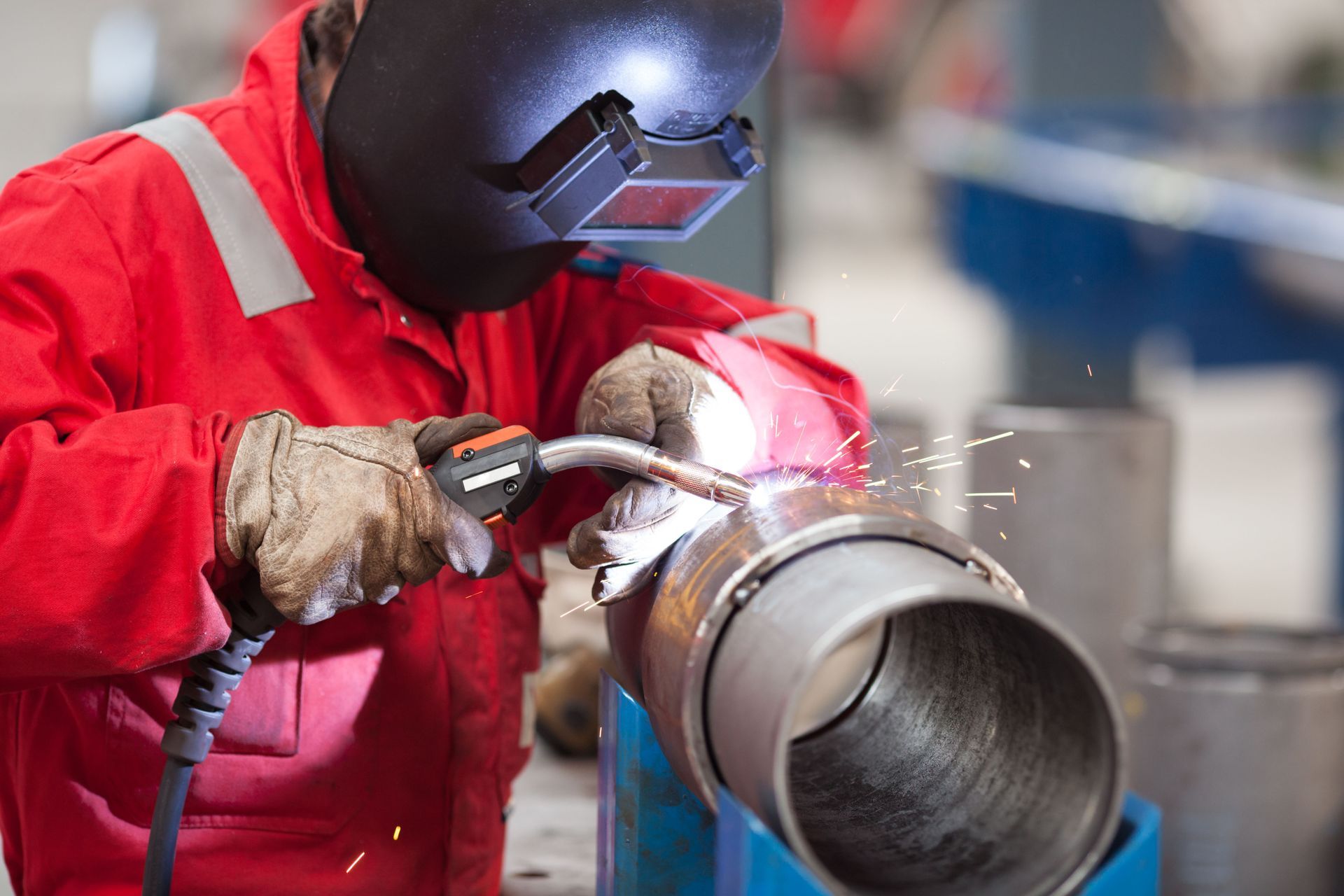
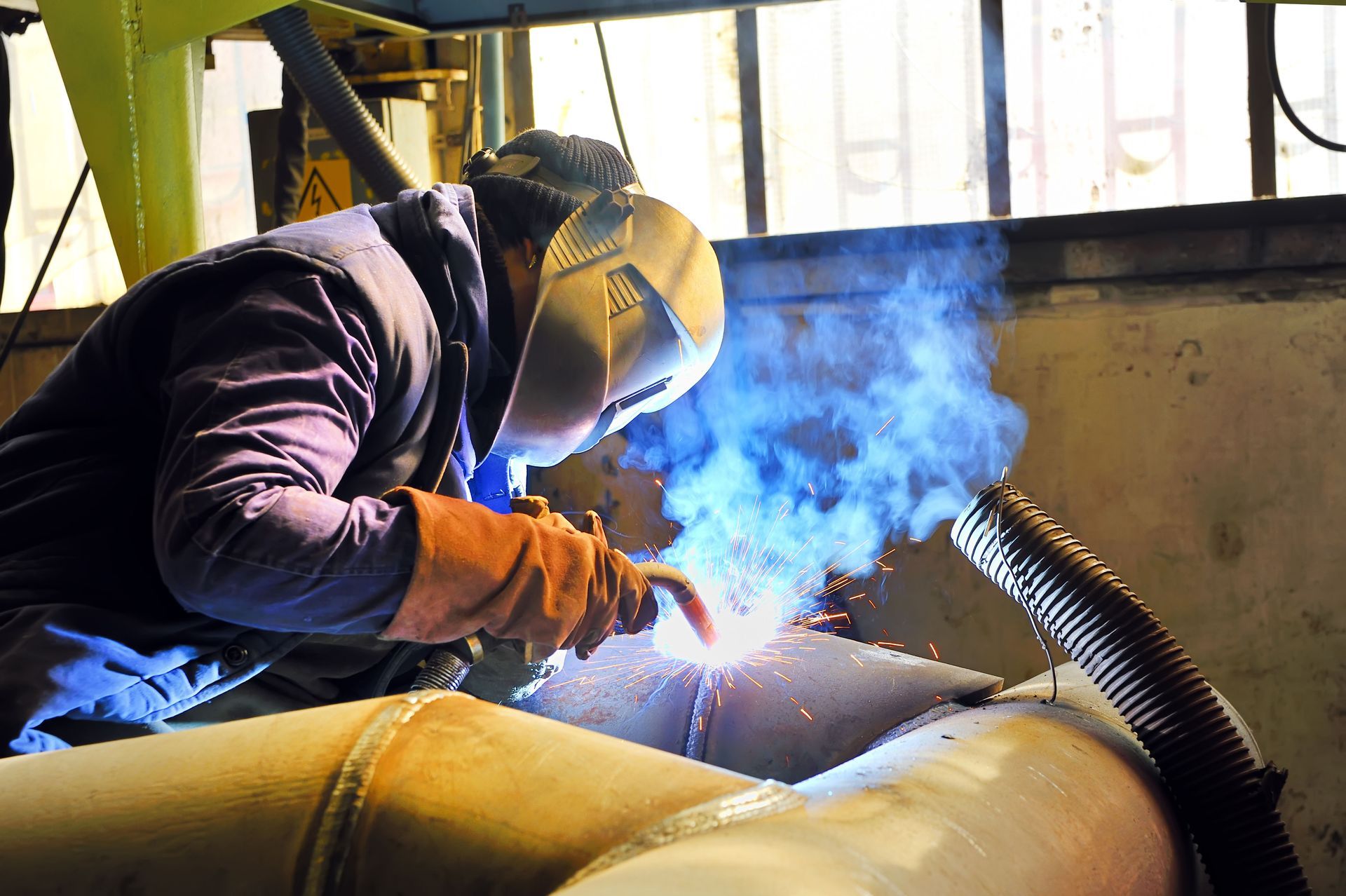
Casting, welding, and joining are foundational techniques for metal fabricators, each contributing uniquely to the production of metal components. Casting involves pouring molten metal into a mold to create complex shapes, vital for large-scale production of uniform parts. Welding joins metal pieces by applying heat, ensuring robust connections essential for structural integrity. Advanced joining techniques such as brazing, soldering, and adhesives also address specific design and material requirements. Mastery of these techniques is crucial for fabricators to produce high-quality, durable products.
Cutting Technologies: Laser and Plasma
Cutting technologies have evolved significantly, with laser and plasma cutting now leading the industry. Laser cutting offers high precision and versatility, capable of handling intricate designs with minimal material waste. Plasma cutting provides cost-effective solutions for cutting thick materials at high speeds. The choice of cutting technology depends on specific material properties and design requirements.
Bending and Forming Techniques
Bending and forming are critical processes that shape metal sheets into desired configurations without altering material properties. Techniques such as press braking, roll forming, and stamping enable the creation of complex shapes from simple sheets. These methods ensure precise angles and curves, essential for components that require seamless integration. Skilled metal fabricators use these techniques to maximize material usage and minimize waste. Advancements in forming technologies continue to refine these processes, allowing for greater design flexibility.
Meticulous planning, skilled fabrication, and a commitment to quality transform initial sketches into real-world applications. Expert metal fabricators are key players in this fascinating process, bridging the gap between design aspirations and tangible outcomes. As technologies evolve and expectations grow, the craft of metal fabrication continues to innovate, ensuring that designers' visions can always be brought to life. If you're interested in professional metal fabrication services, be sure to contact Ford Fabricating!